How to check if a Chinese supplier is on the dishonest judgment debtors list (失信被执行人) before you pay
How overseas buyers check 失信被执行人 before paying a Chinese supplier—official portal steps, name matching tips, and why “not listed” ≠ safe.
Short answer (TL;DR)
Before you wire a deposit to a Chinese supplier, check whether that company—and, where relevant, its legal representative—appears on China’s dishonest judgment debtors list (失信被执行人名单), sometimes called the “court blacklist” or “laolai list” in trade slang.
The authoritative national source is the Supreme People’s Court’s China Enforcement Information Disclosure Network (中国执行信息公开网, hostname zxgk.court.gov.cn). Search by the exact Chinese legal name (and Unified Social Credit Code if you have it). A hit is a serious red flag. A clean result is not a green light—it only means the name you searched is not currently published on that specific list. Still verify business license details, bank beneficiary match, and basic shell-company risk before payment.
For overseas readers: that official portal is often unreachable, slow, or captcha-heavy outside mainland China. The step-by-step below uses annotated screenshots of the real UI so you can follow the flow even when the live site won’t open. If you need a first screen without fighting the portal, use Truve’s free China company blacklist check (registered users; results by email).
What 失信被执行人 means — and how it differs from 被执行人
Overseas buyers often treat “blacklist,” “enforcement record,” and “court case” as the same thing. Chinese court data splits them carefully.
被执行人 (judgment debtor / person subject to enforcement)
Someone (person or company) against whom a Chinese court has opened an enforcement case because a judgment, mediation, or other effective legal instrument was not performed. Being a 被执行人 means there is an unpaid or unperformed court-backed obligation under enforcement. It does not automatically mean the court has branded them “dishonest.”
失信被执行人 (dishonest judgment debtor)
A subset of judgment debtors. Under the Supreme People’s Court’s Provisions on Publishing the List of Dishonest Judgment Debtors (《最高人民法院关于公布失信被执行人名单信息的若干规定》, 2017 amendment), a court may put a 被执行人 on the 失信 list when they fail to perform and fall into defined bad-faith situations—for example, having the ability to perform but refusing; obstructing enforcement; hiding or transferring assets; violating the property-reporting duty; violating a consumption restriction order; or refusing without proper reason to perform an enforcement settlement.
In plain English:
| Term | Rough English label | What it signals to a buyer |
| --- | --- | --- |
| 被执行人 | Judgment debtor / subject of enforcement | There is (or was) a court enforcement case. Investigate further. |
| 失信被执行人 | Dishonest judgment debtor | Court has published a credit-sanction listing for serious non-compliance with enforcement. High caution. |
| 限制消费 / 限高 | Restricted consumption / “limit high spending” | Related sanction; often paired with 失信 for companies’ key persons. Check separately. |
Chinese courts have publicly stressed that “被执行人” ≠ “失信被执行人.” Many suppliers in enforcement never meet the legal threshold for the dishonest list. Your due diligence should look at both layers when possible—not only the catchier “blacklist.”
Disclaimer: This guide is practical procurement information, not legal advice. List contents change. Official court publications control.
How to check via official Chinese court channels (step-by-step)
Goal: Confirm whether the contracting Chinese entity (and key people you know) currently appear on the national dishonest judgment debtors publication.
Official source (named, not the primary click path): Supreme People’s Court — 中国执行信息公开网 / China Enforcement Information Disclosure Network (zxgk.court.gov.cn).
Overseas access note: From Europe, the US, and many other locations this portal is often unreachable, returns errors, or blocks on captcha. Follow the screenshots below — they show the real UI sequence (homepage → 失信入口 → search form → results). If you cannot open the live site, have a mainland colleague reproduce the same clicks, or use Truve’s free-check as an alternative first screen. Do not depend on bookmarked deep links such as /shixin/; menus and paths change after redesigns. Prefer the on-screen label 失信被执行人.
- Get the exact Chinese legal name
Ignore English Alibaba/WeChat names. Copy the Chinese name from the business license (营业执照), character-for-character. Prefer the 18-digit Unified Social Credit Code (统一社会信用代码) too.
- Open the national portal homepage
On a connection that can reach it, open 中国执行信息公开网 (zxgk.court.gov.cn). Match what you see to Figure 1.
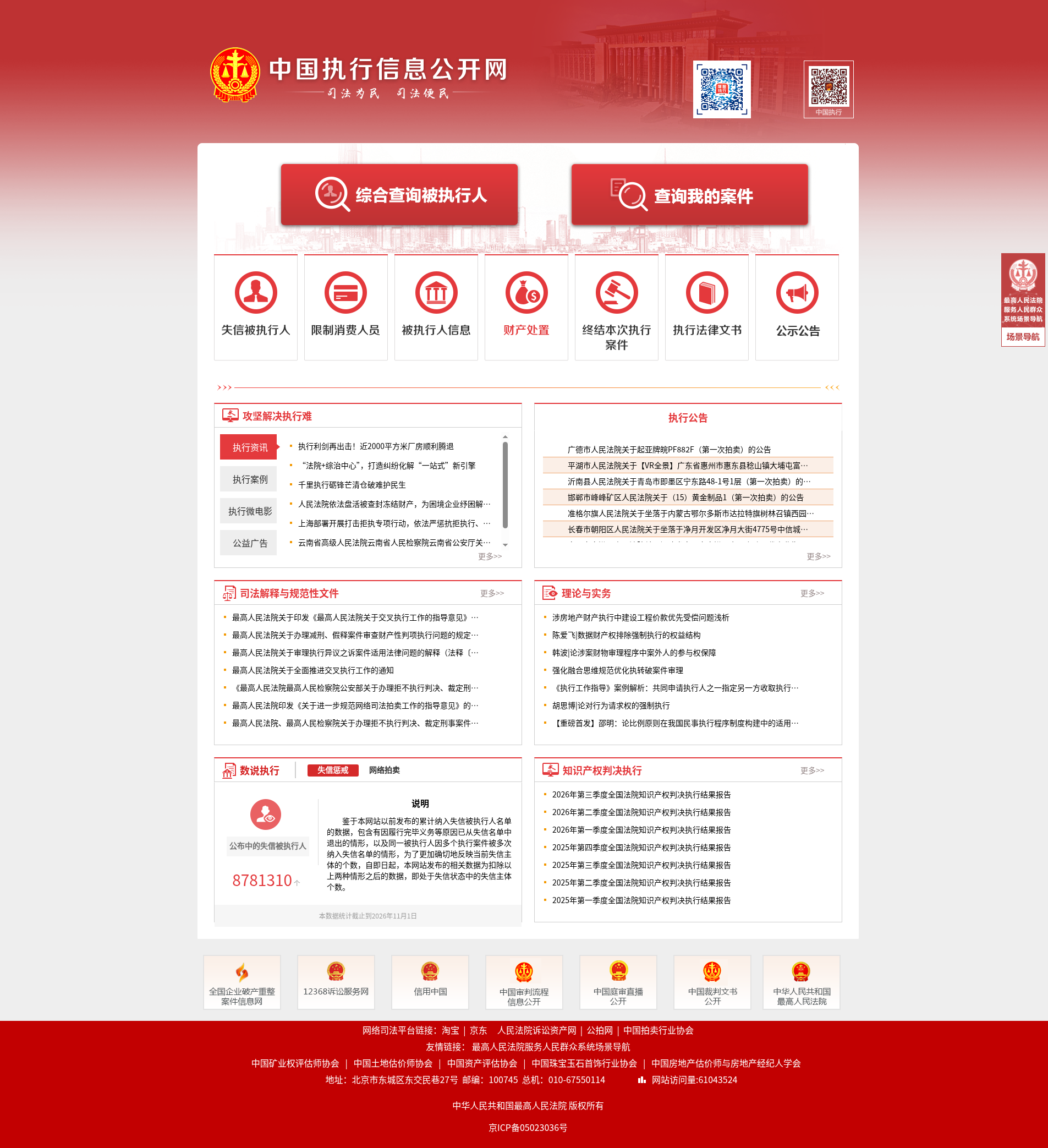
Figure 1. Homepage of 中国执行信息公开网 (China Enforcement Information Disclosure Network).
- Enter dishonest judgment debtor inquiry from the portal menu
On the homepage, open the entry labeled 失信被执行人 (dishonest judgment debtor inquiry / 失信被执行人查询). Use the menu label, not a memorized URL path.
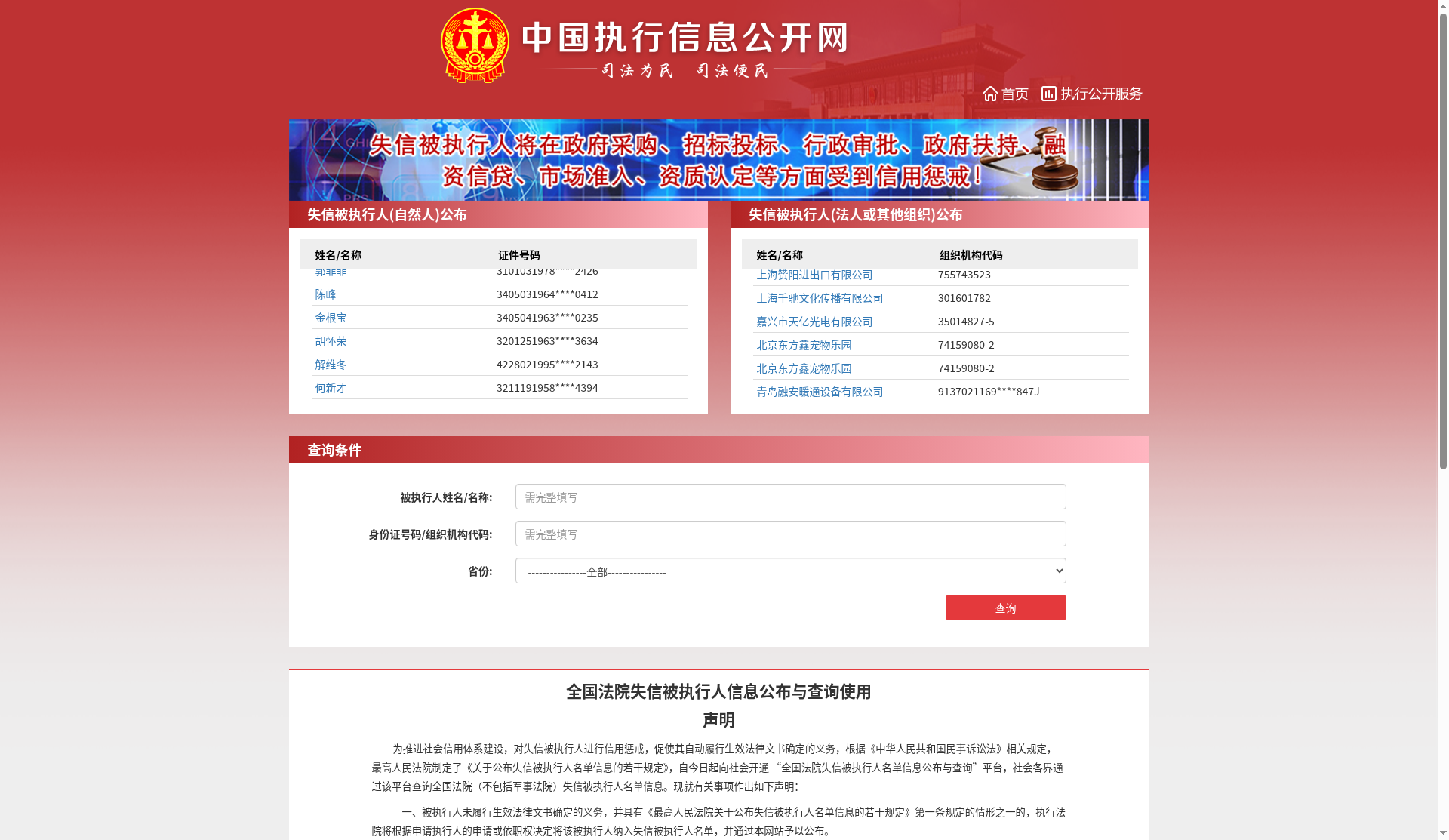
Figure 2. Where to click: menu or tile labeled 失信被执行人. Avoid relying on a fixed `/shixin/` deep link.
- Fill the search form
Enter the full Chinese company name. If the form offers ID/code fields, add the Unified Social Credit Code from the license. Complete any captcha shown on screen.
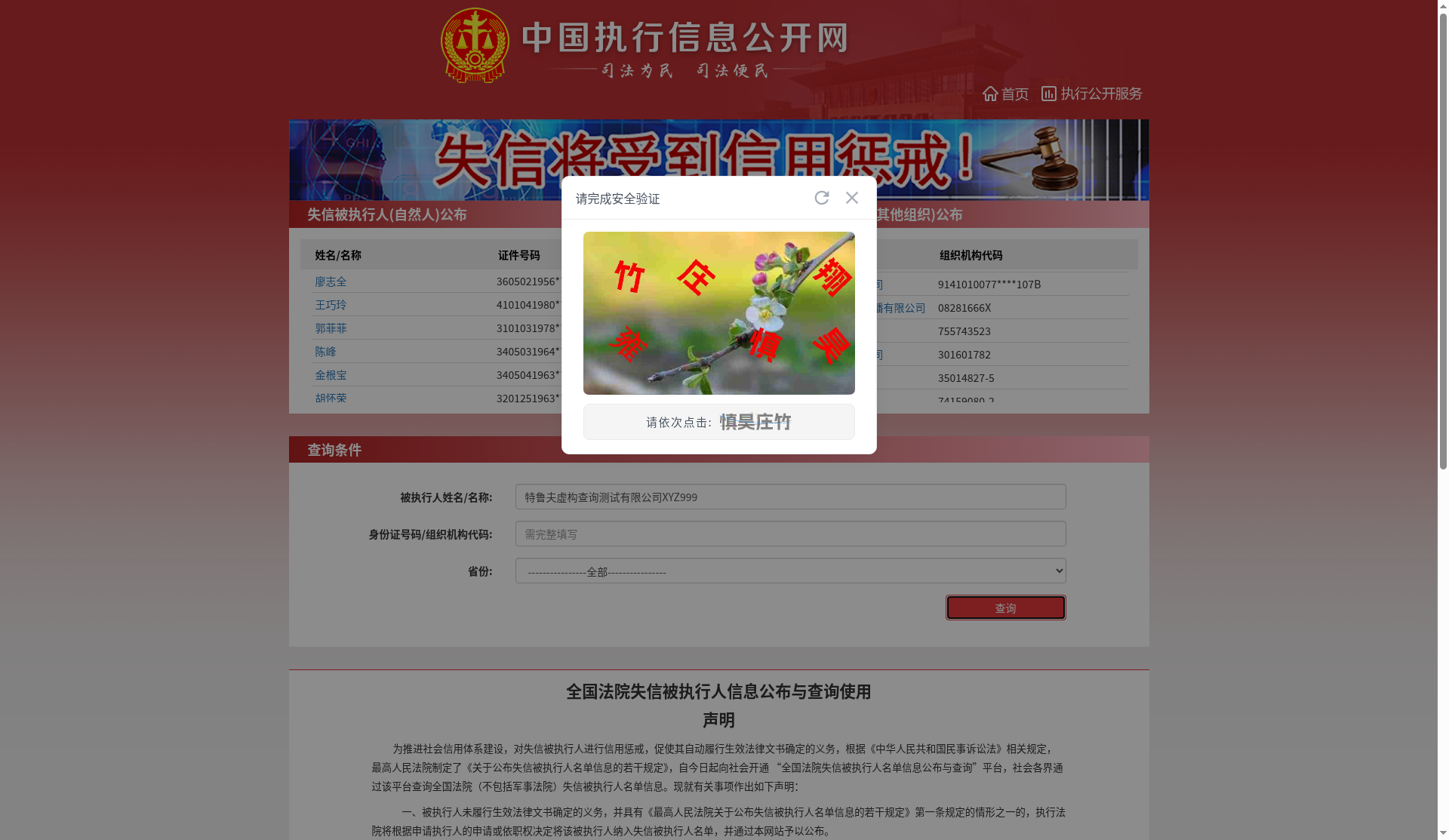
Figure 3. Search form fields (name / code / captcha as shown on the live UI).
- Read a clean (not listed) result
If the name is not on the list, the UI typically shows an empty result or an explicit “no record” style message. Date-stamp your own screenshot for the file.
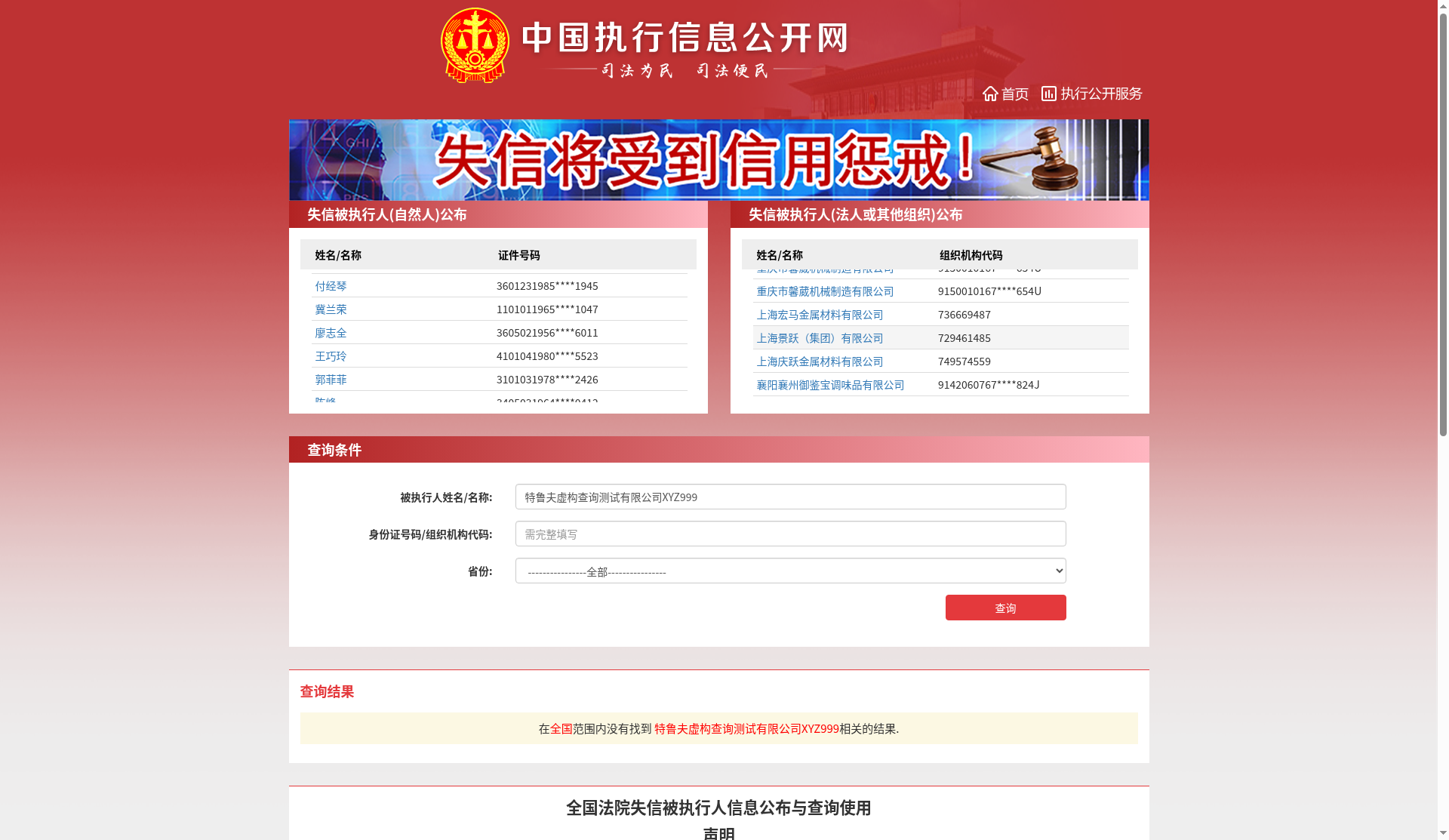
Figure 4. Example of a clean result — not a green light for payment (see section below).
- If you get a hit, save the published fields
A listing usually shows name, masked ID/code, enforcement court, case number, filing date, basis document, performance status, and described dishonest conduct. Save case numbers for counsel.
(No public hit screenshot included—when you get a listing, save the published fields yourself.)
- Search key people when you have Chinese names
Repeat the same 失信 flow for the legal representative (法定代表人) and anyone asking for payment to a personal account. Company clean + boss dirty is common.
- Check related enforcement layers on the same portal
Where the UI offers it, also open 被执行人 (judgment debtor / subject of enforcement) and, if shown, 限制消费人员 (restricted consumption). A supplier can be under enforcement without yet being 失信.
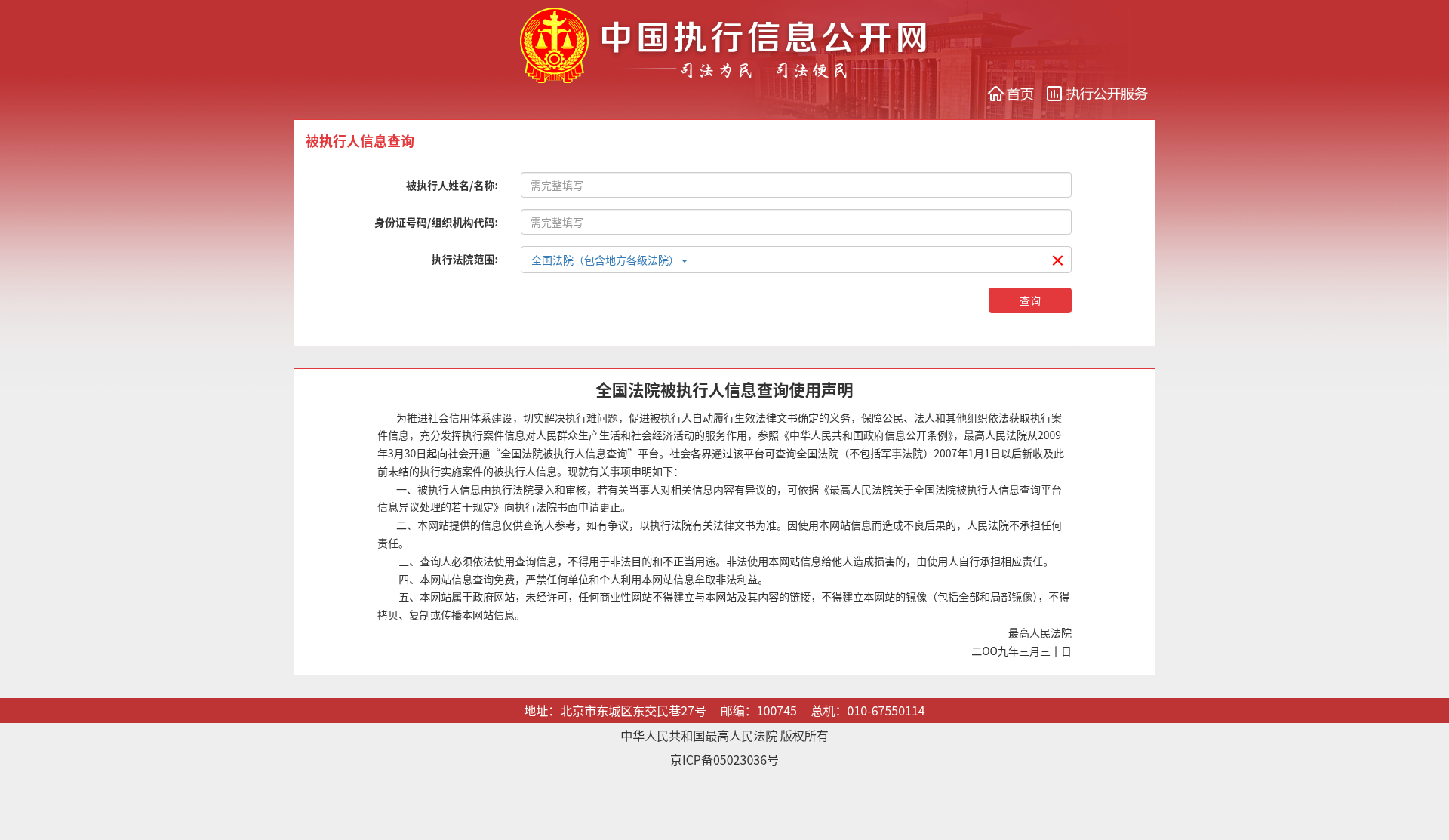
Figure 6. Optional: 被执行人 inquiry entry/tab — related to, but not the same as, 失信被执行人.
- Re-check near payment
Lists update and purge after performance or inclusion periods. A three-month-old clean result is stale for a large deposit.
Can’t open the portal at all? That is normal for many overseas buyers. Use the figures above to brief a mainland colleague, or run Truve’s free-check, then escalate if anything looks odd.
Caveats that trip up overseas buyers
- English names don’t match. Court databases index Chinese legal names. “Shanghai Happy Trading Co., Ltd.” may map to several Chinese entities—or none of the ones you think.
- Typos and short forms miss hits. Missing a character (e.g. 有限公司 vs 有限责任公司) can produce a false clean result.
- Company vs person. The factory you visited and the company on the contract may differ; the salesman may not be the legal representative; payment may be requested to a third-party or personal account.
- Group / shell structures. The operating plant may be clean while the contracting shell, a sister company, or a recently renamed entity carries the risk. See Truve’s case notes on shells eating deposits and “golden cicada” style entity games: shell companies & buyer deposits, €1.2M EU sourcing trap.
- Coverage limits. The list is not a full credit report, customs/tax database, or “all China lawsuits” search. Cases that never reached enforcement, quiet settlements, and brand-new frauds won’t appear.
- Portal reliability. Overseas access often fails; menu paths change after redesigns. Trust a dated screenshot of the official UI (yours or the figures in this guide) plus the named portal
zxgk.court.gov.cn—not a random blog or a brittle deep link.
How to interpret “not on the list”
“Not listed” means: as of the query time, the exact name/code you searched was not published on the dishonest judgment debtors list you checked.
*“Not listed” does not mean:*
- The company is financially healthy
- There is no lawsuit or enforcement case (check 被执行人 separately)
- The factory you saw is the licensed manufacturer
- The bank account belongs to that company
- Paid-in capital is real, or the entity isn’t a thin shell
- Your goods will ship
A clean blacklist screen is a necessary first filter, not supplier approval. Procurement teams that stop here still lose deposits to lookalike entities and payment diversion—problems that show up in license/bank matching and ownership checks, not only on 失信名单. For a concrete fraud anatomy, see The $411,000 Lesson in Supply Chain Fraud.
Related checks before you pay
Alongside the dishonest-debtor screen, confirm at least:
- License / identity match — Chinese name, Unified Social Credit Code, legal representative, and address on the 营业执照 match the contract and PI. When accessible from your network, cross-check 国家企业信用信息公示系统 (National Enterprise Credit Information Publicity System, hostname
gsxt.gov.cn)—same overseas caveat as zxgk; many buyers need a mainland connection or a provider. Optional UI reference:
- Bank beneficiary match — Remittance name equals the contracting company’s Chinese legal name. Personal or third-party accounts are a stop until explained in writing.
- Shell / capital reality (light) — Brand-new entities, tiny paid-in capital, and address-only “factories” deserve a pause even if blacklist-clean.
- People risk — Check the legal representative and payment contact on enforcement / restricted-consumption / dishonest lists when you have Chinese names.
- Commercial sense-check — Far-below-market price + urgency to pay offshore + refusal to use the licensed company account.
Stack the workflow as: Free Check → Real Company → Safe to Pay. Overview: Products. More cases: Guide & Cases.
FAQ
1. Is the dishonest judgment debtors list the same as a credit blacklist?
It is a court-published credit-sanction list for judgment debtors who meet defined bad-faith criteria. It is not a bank internal blacklist and not a complete Chinese credit score.
2. What’s the difference between 失信被执行人 and 被执行人?
被执行人 = subject of court enforcement. 失信被执行人 = enforcement subject additionally published for dishonest conduct under SPC rules. SPC officials have emphasized they are not the same.
3. Can I search in English?
Not reliably. Use the Chinese legal name from the business license. English marketing names produce false negatives.
4. The official website won’t open from Europe/US. What now?
That is common. Use the annotated screenshots in this guide to brief a mainland colleague or counsel, retry from a mainland network if you have one, or request Truve’s free-check. Don’t stall a payment decision waiting on a captcha page that never loads.
5. The company is clean but the boss is on the list. Does that matter?
Yes. Treat it as elevated risk—especially if that person controls banking, chops, or the negotiation.
6. An old listing was later removed. Are we safe?
Removal can follow performance, settlement, or period expiry. Still ask why the case existed and re-check before large payments.
7. Does “not on the list” mean Safe to Pay?
No. You still need beneficiary match, license consistency, and shell/ownership context.
8. Are third-party “blacklist APIs” official?
Only court-published data is authoritative. Prefer a dated official screenshot or a provider that documents source and query time.
Soft next step
If you are about to pay a Chinese supplier and want a first screen without fighting the portal, run Truve’s free dishonest-judgment-debtor check: [truvecheck.com/free-check](https://www.truvecheck.com/free-check) (one free check per registered account; results by email within 24 hours).
Need more than a list hit/miss—license reality, ownership, or payment-path risk? See [Real Company](https://www.truvecheck.com/product/real-company) and [Safe to Pay](https://www.truvecheck.com/product/safe-to-pay).
This article is for general informational purposes for overseas buyers. It is not legal advice. China’s enforcement publications change; always confirm against official court sources before relying on a result.